

The newly released 2026 Coffee Barometer reveals three core structural crises plaguing the global coffee industry: unfair profit distribution, low farmer income, and worsening climate threats. Most industrial profits are monopolized by downstream brands and retailers, leaving upstream growers in hardship and hindering the industry’s sustainable development.
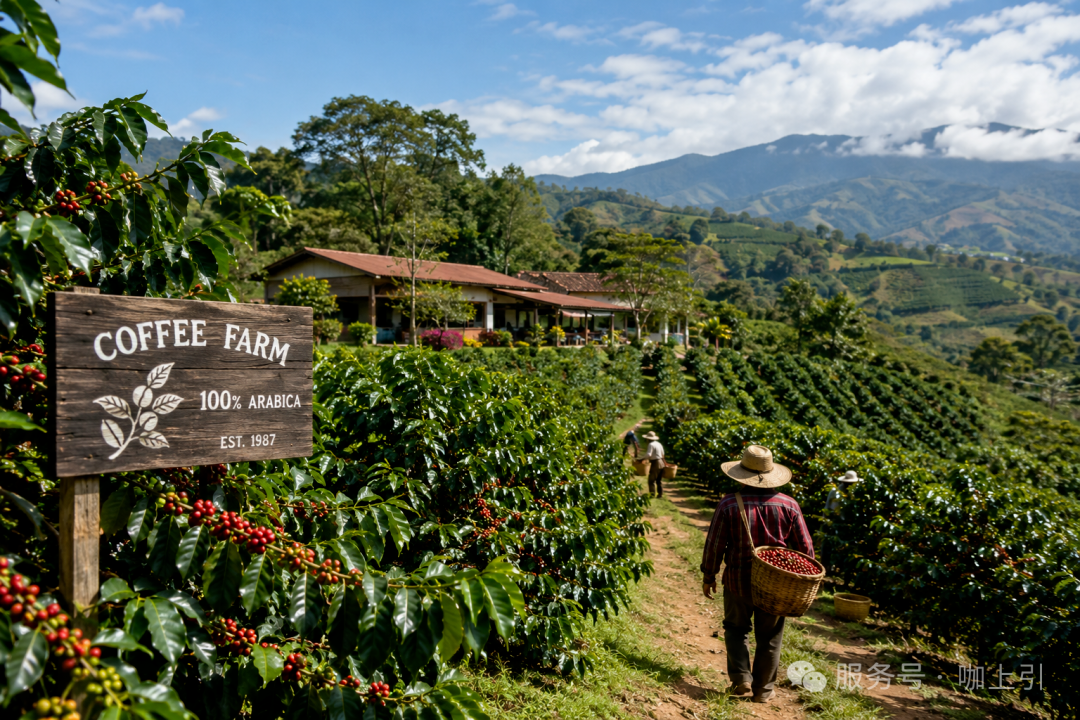
Extremely Uneven Profit Distribution
Despite the booming global coffee consumer market, coffee farmers gain minimal profits from the industrial chain. Data shows farmers only take 4% of regular packaged coffee’s retail price, and less than 1% of profits from premium coffee capsules. 80% of core coffee-producing regions cannot guarantee local farmers a basic living income.
Affected by rising production costs, weak bargaining power and middleman price suppression, smallholder farmers fail to benefit from rising international coffee prices. Decades of industry development have never reversed this unequal profit pattern.
Climate Change Continues to Impact Coffee Planting
Arabica coffee is extremely sensitive to climate changes. Continuous high temperatures, droughts, floods and frost disasters in major producing countries have caused reduced yields, deteriorated flavor and frequent pests. The report predicts that half of current coffee planting land will be unfit for cultivation by 2050.
Climate disasters push up global coffee prices, but the increased profits cannot reach farmers. Growers face reduced production and rising renovation costs, falling into a persistent operational vicious cycle.
Industry Reform Needs Balanced Industrial Chain Development
Existing fair trade and public welfare projects can only solve superficial problems, unable to fix the root structural imbalance. Yunnan’s direct export model provides a viable solution: cutting intermediate links allows farmers to share export dividends.
To achieve long-term sustainability, the coffee industry needs transparent pricing mechanisms, stable price protection for farmers, and increased investment in climate-resistant coffee varieties and planting technology. Fair value distribution and joint response to climate risks are the only way for the global coffee industry to achieve healthy and sustainable development.